Skip to content
  • English

    Intent    

    At Hadrian Primary, we prepare pupils for their futures and recognise the paramount importance of all aspects of English. Reading, oracy, writing, grammar and spelling, are skills that are fundamental to unlocking all areas of the curriculum and, just as important, the world around them. We are proud of our English curriculum, which promotes high standards of language and literacy by means of equipping children with a strong command of the spoken and written word. A love of literature is cultivated in school through a rich and varied curriculum that encourages exploration and engagement with diverse texts. By incorporating classic and contemporary works, staff ignite the imagination of pupils and inspire their critical thinking. A supportive environment for discussion and interpretation, enables pupils to articulate their thoughts and emotions, enhancing their appreciation for the written word. These experiences encompassed with widespread reading across the curriculum, daily DEAR sessions and reading for pleasure, nurture and create a lifelong passion for literature.
    The teaching of English at Hadrian creates endless opportunities to develop pupils’ skills in oracy, reading, writing, spelling and grammar. These skills are taught, practised and embedded to ensure children have a solid grasp of transcription before composition and writing at length. Our school vision, Being unique: believing, achieving, succeeding together, guides and influences learning by ensuring that all of our children are provided with rich experiences and learning opportunities to achieve their full potential in all areas of English.

    Effective and impactful teaching of English is crucial for enabling pupils to succeed across all areas of the curriculum. Proficiency in English enhances pupils’ reading and writing skills, alongside fostering critical thinking and effective communication abilities. These competencies are essential as they underpin learning in subjects across the curriculum, where the comprehension of complex texts and the articulation of ideas are paramount. Furthermore, a strong foundation in English equips pupils with the tools necessary to engage in collaborative discussions, facilitate problem-solving, and express their understanding, thereby promoting overall academic achievement and confidence.

    We have a high percentage of children with English as an additional language in our school, which can mean that some of our children’s early language acquisition is impacted. We aim to provide a language-rich environment with a strong focus on oracy, to enable success and progression for all of our children.

    Reading

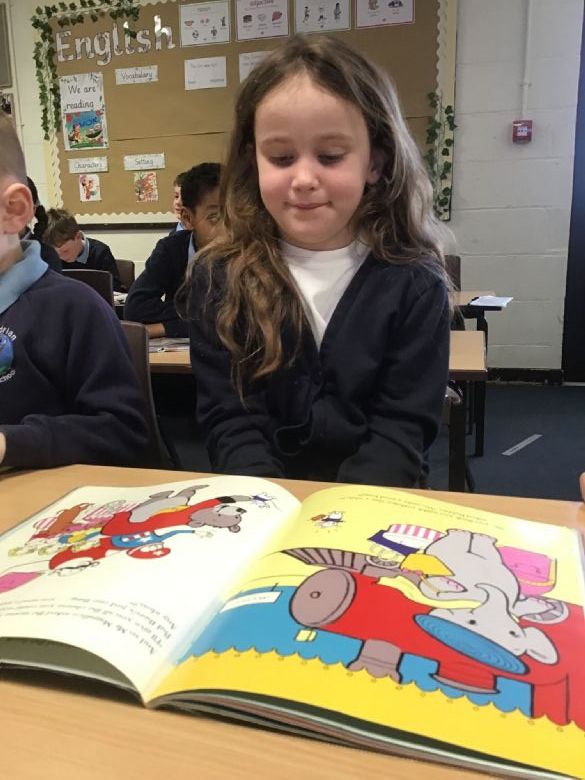
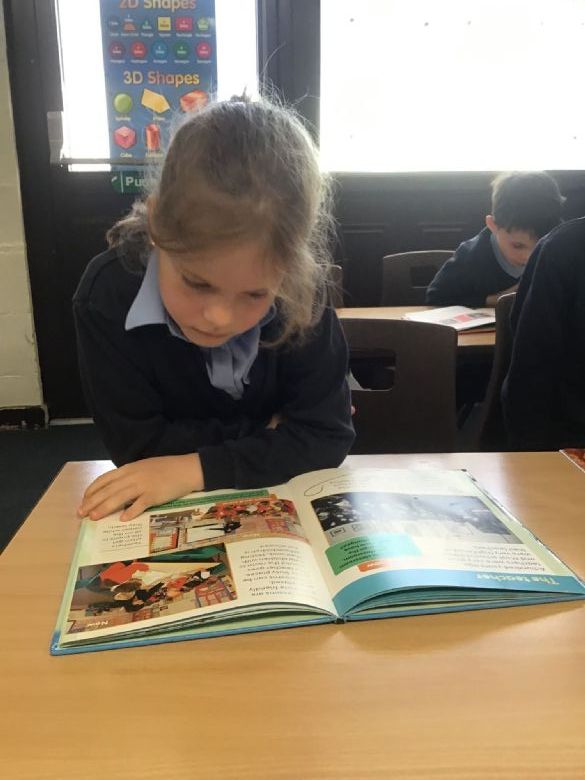
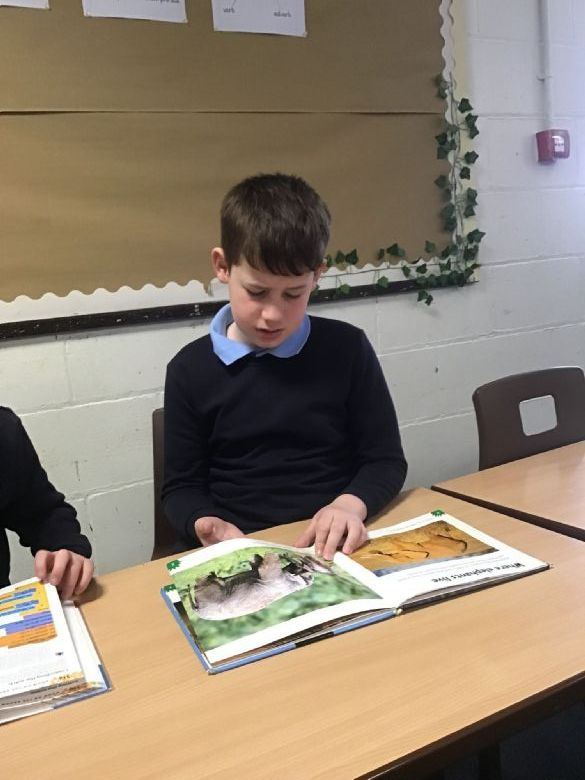
    At Hadrian, we believe the integration of reading within the school curriculum significantly enhances pupils' cognitive and social development. Engaging with diverse texts fosters critical thinking, broadens vocabulary, and cultivates a lifelong love of literature. Reading encourages empathy and cultural awareness, enabling students to connect with varied perspectives. Our school's commitment to promoting reading is evident within our curriculum, our learning environments, daily DEAR sessions and our well-resourced reading corners and library, all of which aim to inspire reluctant and enthusiastic readers alike. Ultimately, prioritising reading contributes to improved academic performance across subjects and equips children with essential skills for their future endeavours in an increasingly complex world.                                        


    Writing

    At Hadrian, we understand the importance of writing within the school curriculum and the profound impact it has on the cognitive and linguistic development of our pupils. Through structured writing exercises, children enhance their critical thinking and communication skills, alongside developing creativity and self-expression. We want children to write clearly, accurately and coherently, adapting their language and style for a range of contexts, purposes and audiences. Regular engagement with varied writing structures—such as narratives, non-chronological reports, and poetry—cultivates a greater understanding of language mechanics, style and vocabulary. We want children to write clearly, accurately and coherently and be able to adapt their language and style to suit the relevant written outcome. Children are exposed to a wide and rich vocabulary that enhances their writing, alongside enabling them to express ideas effectively. Developing spelling proficiency is essential for all children, as it underpins effective written communication and boosts confidence in writing abilities. We aim to ensure children strive for continuous improvement in our inclusive culture of learning, as well as equip pupils with the necessary tools for academic success and prepare them for future professional environments.


    Speaking and Listening

    Speaking and Listening encompasses the curriculum in its entirety and is the catalyst for further language development and overall academic success. Speaking and listening skills enhance communication, critical thinking and emotional intelligence. Engaging in discussions enables pupils to develop confidence and articulacy, allowing them to express ideas and opinions effectively. ‘Talk Tuesdays’ is an initiative designed to provide children with the opportunity to practise and embed their oracy skills in a structured environment. This weekly event encourages students to engage in meaningful conversations, enhancing their ability to articulate thoughts, listen actively, and respond thoughtfully. During ‘Talk Tuesdays’, students participate in various activities that promote discussion. These activities are carefully crafted to cater to different age groups and abilities, ensuring that all children can contribute effectively. The focus on oracy skills supports language development, alongside building confidence and social interaction among peers. The language of pupils reflects the heritage and local culture, which is valued and built upon, whilst ensuring pupils become competent in the use of Standard English. Strong listening skills promote comprehension and empathy, which are essential components of a supportive learning environment. By prioritising these competencies within the curriculum, Hadrian equips learners to navigate social interactions, thus preparing them for future challenges in academic pursuits and personal endeavours.


    Implementation

    The implementation of English in Early Years is guided by the EYFS Statutory Educational Programme facilitated through Development Matters. The National Curriculum establishes a coherent framework for teaching the subject from Key Stage 1.

    At Hadrian, English serves as a fundamental area of academic study, playing a crucial role in developing critical communication skills that are essential for our pupils’ success throughout their education and beyond. We offer a balanced programme that encompasses reading, writing, and speaking and listening skills, alongside emphasising exposure to a wide range of texts, which promotes and encourages creativity through imaginative writing. Teachers are expected to employ varied pedagogical approaches, catering to the needs of all learners, ensuring that each pupil is able to engage with, and appreciate, the richness of the English language. The impactful and effective teaching of English plays a pivotal role in fostering literacy and enhancing overall educational outcomes for children.

    In English lessons, the needs of all children are effectively met through support tailored to individual learning needs, enabling students to recall and build on prior knowledge. Teachers employ the most effective strategies for their learners, such as scaffolded tasks, varied reading materials, and targeted feedback. This ensures that each child engages with the curriculum at an appropriate level, and continues to make progress. Providing an inclusive learning environment, where all students feel safe to explore ideas and express themselves, facilitates a deeper understanding of language and literature, ultimately enhancing children’s confidence and capabilities.

    Reading

    To form the foundations for lifelong readers at Hadrian, early literacy skills are promoted and developed from Nursery. This is implemented through play-based activities, storytelling, phonemic awareness, and recognising rhythm, rhyme and alliteration. The National Curriculum outlines a structured approach to literacy, ensuring continuity in reading development as children progress through their educational journey. In Reception and Key Stage 1, phonic lessons take precedence; the Sounds-Write linguistic phonics programme is employed to provide a systematic method for recognising grapheme-phoneme correspondence, decoding words, blending sounds, and building vocabulary. This programme aligns with the phonics screening check introduced in Year 1, and lays a strong foundation for fluency in reading. Within Reception and Year 1, the teaching of phonics is enhanced by activities such as Polly Phonics, delivered by South Shields FC. Planned intervention strategies enhance and progress the reading abilities of children identified as working below the expected standard, by providing tailored support that addresses individual learning needs. Children who require further support in phonics in KS2, continue with dedicated phonics sessions and intervention support. Through targeted instruction, regular monitoring, and tailored resources, these interventions promote engagement and boost confidence, ultimately improving literacy outcomes within an inclusive learning environment.

    Reading fluency is effectively promoted across the school through a structured approach that aligns with the Sounds-Write phonics programme. Ensuring that books are carefully selected to match phonics progression, enables children to develop their decoding skills in a systematic manner. Regular reading sessions, in-class and at home, allows students to develop fluency and prosody, alongside deepening their comprehension skills in a supportive environment.

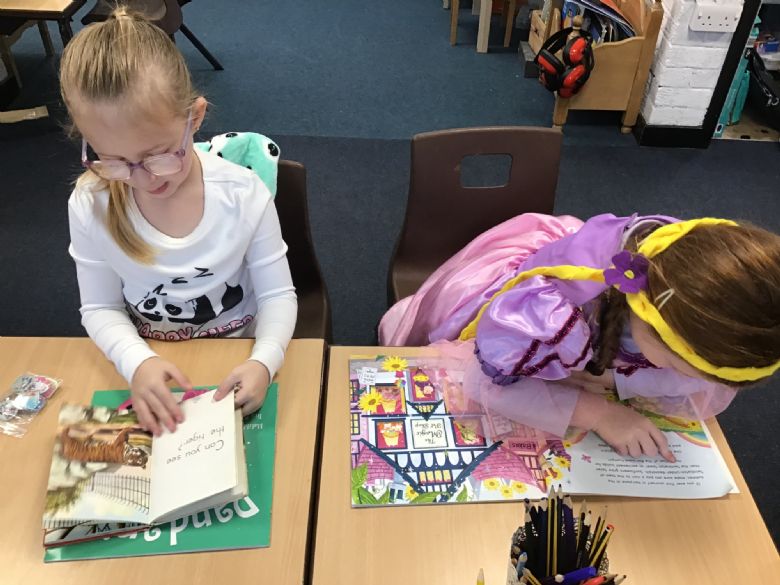
    Within Year 2 and moving into KS2, we have a variety of different reading schemes (such as Dandelion Readers, Sounds-Write and Project X) and a wide range of appropriate, quality texts that cover all genres. Our books have been banded to facilitate the development and progression of reading skills amongst our learners. By categorising texts into specific bands based on complexity, we can ensure that pupils engage with a diverse range of materials that are appropriate to their current reading abilities. This method fosters fluency, enabling learners to read with greater speed and accuracy. Exposure to a varied vocabulary enriches the linguistic repertoire of our pupils, whilst the incorporation of prosody—namely, the rhythm and intonation of speech—enhances comprehension and overall engagement with the text, thereby supporting holistic reading development.

    We ensure and encourage sufficient practise in reading and re-reading books that match the grapheme/phoneme correspondence already known, in school and at home. Re-reading books offers numerous benefits that enhance comprehension and facilitate a deeper connection with the text. Engaging with familiar material allows readers to develop automaticity in recognising vocabulary and structure, which consequently increases reading fluency. As readers revisit a narrative, they often uncover nuances and themes that may have been overlooked during the initial reading. This iterative process solidifies understanding, alongside encouraging critical thinking and analytical skills. The emotional resonance of reconnecting with characters and plot lines can deepen one’s appreciation for literature, making re-reading a valuable practice in the pursuit of academic excellence.

    At Hadrian, we use Boom Reader as a tool to record reading within school and at home. This platform allows teachers to monitor and assess pupils' reading habits by providing a digital space where learners can log their reading activities. By encouraging regular reading and reflection, Boom Reader assists in tracking individual progress and identifying areas where additional support may be necessary. The platform offers a range of engaging features, such as the ability to set reading goals, provide instant feedback, and celebrate achievements, thereby motivating pupils to develop their literacy skills. The integration of Boom Reader into the curriculum not only enhances the enjoyment of reading but also supports the development of critical comprehension and analytical skills.

    Reading development within our school is implemented through a range of strategies designed to cater to the individual learning needs of our pupils. Shared reading sessions promote a love for literature, encouraging discussion and collaborative engagement with texts. Guided reading groups allow for targeted instruction, enabling teachers to focus on specific skills and comprehension strategies. Additionally, we prioritise 1:1 reading sessions, which provide personalised support, ensuring that each child receives the support they need for consistent progression.

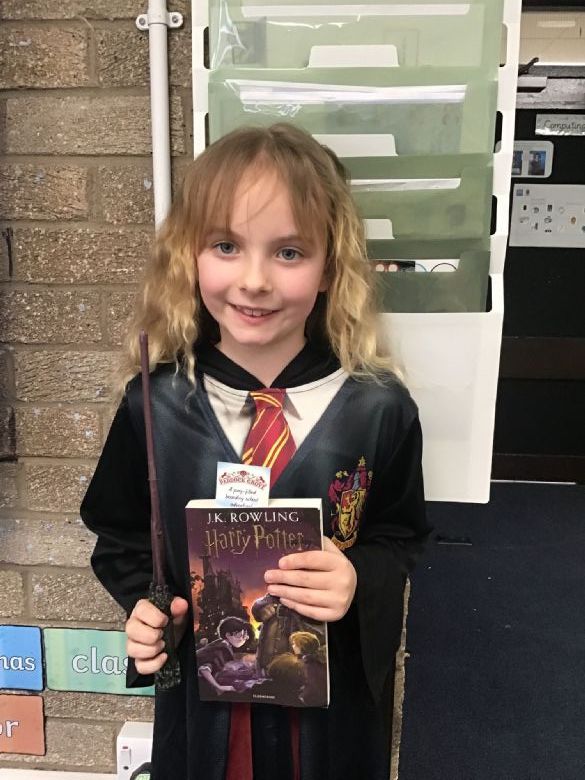
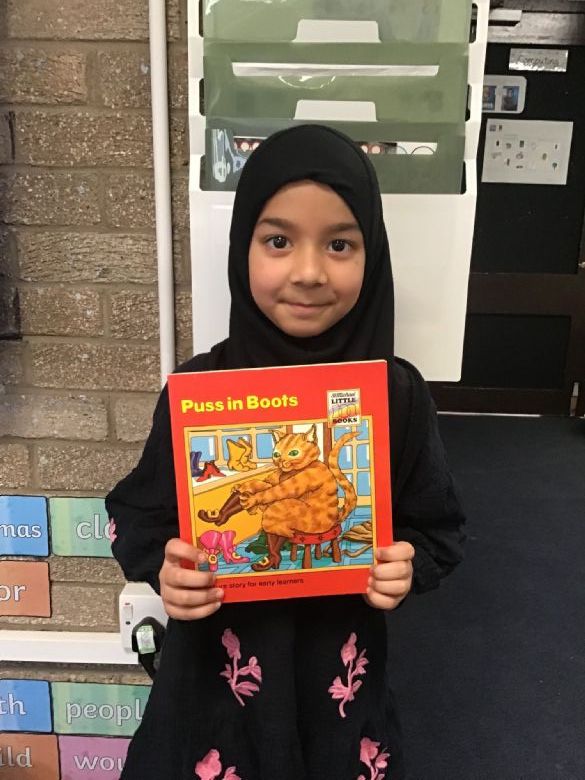
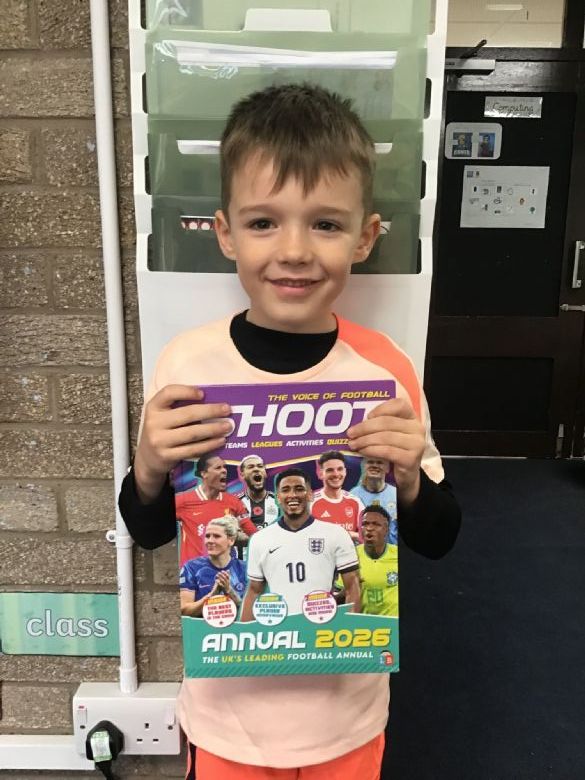
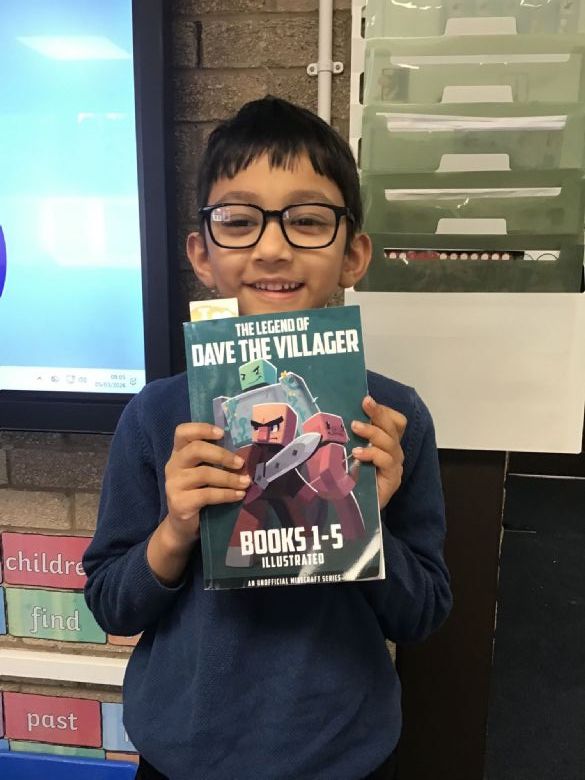
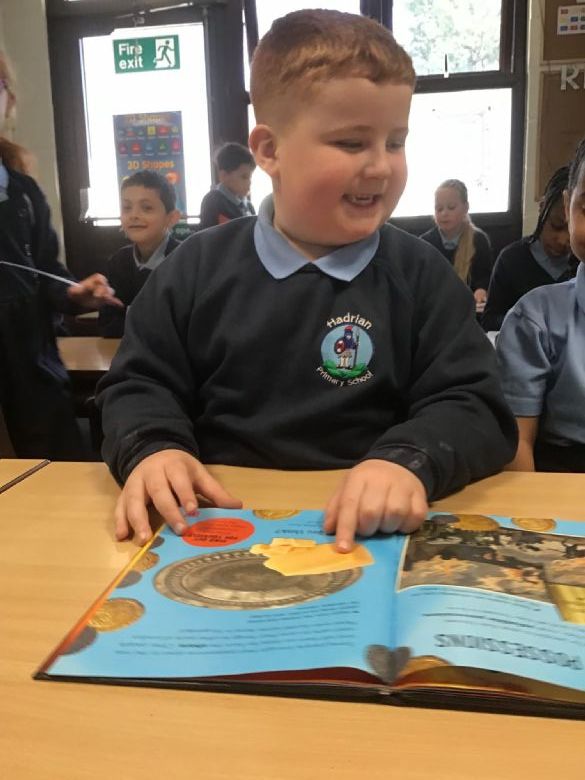
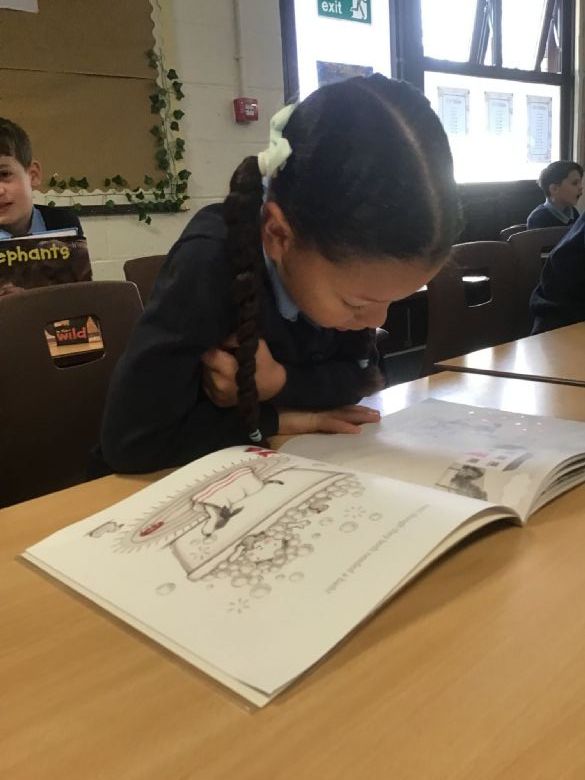
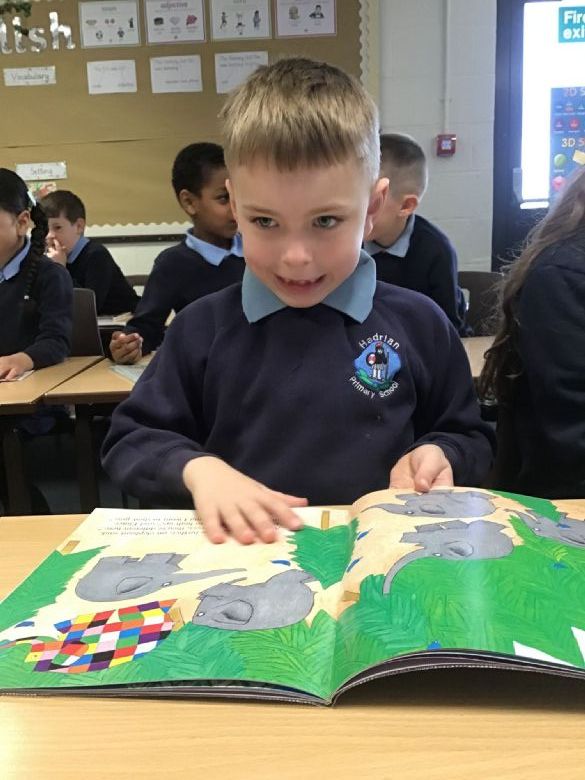
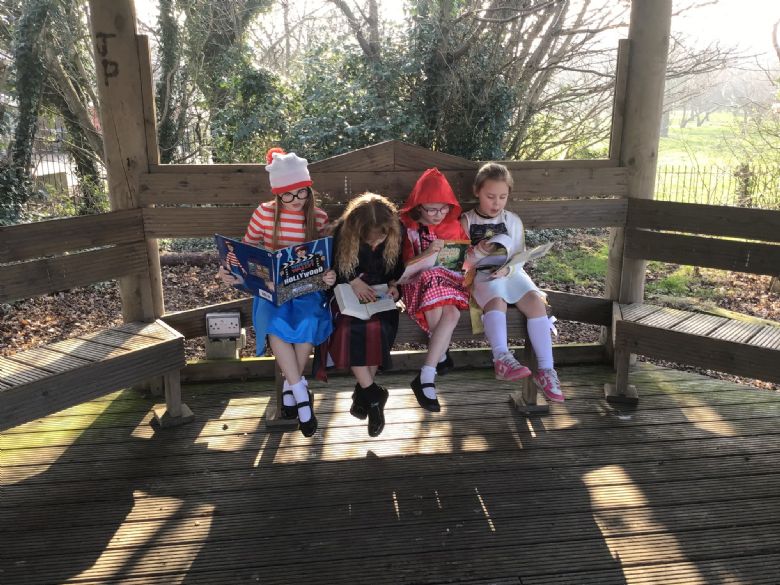
    At Hadrian, we create a culture that promotes a love of reading and a passion for literature, beginning in nursery and continuing through to Year 6. Our school library and classroom reading areas boast a wide and varied range of classic and contemporary texts, alongside opportunities for independent exploration. This extensive range ensures that all pupils, regardless of their reading preferences, can find books that captivate and inspire them. We actively cultivate a rich reading ethos by embedding literature into our daily routines. Daily DEAR sessions (Drop Everything And Read), expose children to different genres and authors and instil a love for sharing books. Special events, such as World Book Day and National Poetry Day, further galvanise our commitment to reading; these occasions allow pupils to engage creatively with texts, share their favourite stories, and participate in themed activities that celebrate literature. Additionally, our strong links with the local library (The Word), enables children to access a broader selection of quality texts, encouraging them to pursue reading beyond the classroom. By supporting our pupils with an immersive reading experience and providing a wealth of literary resources, we aspire to create lifelong readers who appreciate the power of words and storytelling.

    We believe that instilling a love for reading extends beyond the classroom; therefore, we implement various strategies to encourage reading at home. In KS2, children can access Reading Plus, an interactive programme designed to enhance reading skills whilst providing personalised content appropriate for each child’s level. In KS1, we utilise Bug Club, a dynamic digital platform that offers a wide array of engaging books, which cater to diverse interests and reading abilities. To further stimulate enthusiasm for reading, we organise themed reading challenges throughout the academic year. These challenges motivate students to explore new genres and broaden their literary horizons, often culminating in celebratory events that recognise their achievements. Through these initiatives, we aim to create a home environment conducive to reading, thereby instilling a lifelong passion for literature in our pupils.

    Writing

    At Hadrian, we are dedicated to nurturing a positive writing culture that ensures progress, whilst simultaneously inspiring creativity and self-expression amongst pupils. Our engaging and structured curriculum is designed to build on prior learning, facilitating the acquisition of transferable skills from one topic to the next. Pupils are given opportunities to apply their knowledge in a range of contexts, enhancing their understanding and development of the written word.

    We display children's written work in various communal areas, such as hallways and classrooms, creating a sense of pride and ownership in their achievements. This practice enhances the visibility of their efforts, as well as encouraging peer admiration. Allowing children the opportunity to share their writing with others in class, provides opportunities for positive and constructive peer feedback, enabling children to edit and improve their work within the writing process. At the end of some teaching sequences, children have the opportunity to perform their writing for children in their class. We also share learning within our school community through social media platforms, modelling to children that our learning goes beyond the classroom.

    ‘Free Write Friday’ serves as a vital catalyst in creating and sustaining passion and pace within the writing process. By incorporating a visual prompt (such as an evocative image) or a written prompt, pupils are invited to ignite their imagination and delve into creative expression without fear of critique. This structured spontaneity cultivates an enjoyment for writing, enabling students to embrace their unique voices whilst maintaining a steady flow of creativity.

    Within the English curriculum, the teaching of composition and transcription is a multifaceted approach that combines the development of writing skills with a focus on spelling, punctuation, and grammar (SPaG) content. The integration of resources such as Spelling Shed, enables pupils to engage with spelling in an interactive manner, facilitating improved retention and application of spelling rules within their writing. The use of Letter-join supports handwriting proficiency, allowing students to form letters correctly and develop a cursive style that enhances the readability of their written work.

    Incorporating drama within writing serves to enrich the composition process, as it encourages pupils to explore narratives and character development through performance. This experiential learning fosters creativity and aids the generation of ideas for written work, as well as creating an awareness of audience, purpose, context and widening vocabulary. Children are prompted to draw upon personal experiences to engage with various genres, ultimately allowing them to express their thoughts and feelings more effectively. Through constant practise in both composition and transcription, learners are well-prepared to navigate the complexities of written communication in their academic pursuits and beyond.

    The implementation of a literature spine within our curriculum significantly engages children in their reading and writing endeavours. This carefully curated selection features quality texts specifically chosen for each year group, ensuring that children are exposed to literature that is age-appropriate and intellectually stimulating. Updated annually, the literature spine incorporates new book releases, thereby keeping the selection fresh and relevant to contemporary issues and themes. As pupils engage with these texts, they develop a deeper understanding of narrative techniques, including plot structure, character development, and varied vocabulary, which in turn enriches their own writing capabilities. The literature spine not only nurtures a love for reading, but also cultivates critical thinking skills, allowing children to draw connections between genres and themes within their development of writing.

    The teaching of writing at Hadrian is meticulously structured to encompass a broad range of genres, thus ensuring that pupils are equipped with the skills necessary for effective communication. Throughout the curriculum, opportunities for writing are seamlessly integrated, allowing for a holistic educational approach that enriches pupils' creativity and expression. The genre coverage is strategically mapped to ensure cohesive progression across the whole school, fostering continuity in learning as pupils transition from Key Stage 1 to Key Stage 2.

    Daily literacy lessons are organised according to a common teaching sequence, which is consistently applied across both key stages. This sequence encompasses the benchmarking of prior knowledge, facilitating the comparison of reading exemplars and texts, as well as exploring vocabulary. Furthermore, it incorporates the explicit teaching of spelling and grammar objectives in context, directly related to the topics the children are engaged with. The teaching sequence promotes a gradual release of responsibility through shared and guided writing, empowering children to produce their own independent pieces.

    In addition to routine writing activities, our fortnightly independent extended writing lessons allow students to demonstrate their learning and understanding in a focused manner, revisiting the genre explored two weeks prior. These sessions also present opportunities for cross-curricular writing, aligning with whole school celebrations such as Black History Month, International Women’s Day, Children in Need, and World Book Day, thereby enabling a sense of relevance and community engagement within their writing endeavours.

    Feedback in English functions as an essential tool for learning, enabling pupils to understand their strengths and areas for improvement. Daily feedback, whether delivered on a one-to-one basis or within a whole-class setting, helps to address misconceptions promptly and effectively. This ongoing dialogue creates a supportive atmosphere where students feel encouraged to check and refine their work. Allowing time for students to edit and enhance their writing based upon the feedback received, empowers them to take ownership of their learning journey, ultimately leading to improved confidence and mastery of the subject.

    Each child's progress is meticulously tracked through our online tracker system, allowing us to monitor individual improvements over time. We conduct key stage moderation sessions each term, where teachers collaboratively evaluate writing standards to ensure consistency and rigour across year groups. Whole school writing moderation further enhances this process, creating a culture of shared best practices and collective accountability amongst staff.

    To enrich the feedback process, we provide regular opportunities for pupils to engage in self and peer assessment of their writing. This empowers children to take ownership of their learning and cultivates critical thinking and reflection of their writing techniques. Alongside verbal and written feedback from teachers, children gain clear insights into their next steps in the writing journey, guiding them towards the completion of high-quality written pieces. This comprehensive approach ensures that assessment is not merely an endpoint but serves as an essential tool for informing teachers’ planning and adapting instructional strategies moving forward, thereby supporting each child in achieving their full potential.

    At Hadrian, we have a KS2 moderator for the local authority who oversees whole school moderation alongside the English Lead.


    Handwriting

    At the start of Early Years, early writing is primarily characterised by mark making, which serves as a foundational stage for children’s literacy development. During this critical period, children are provided with a wealth of opportunities to cultivate their fine and gross motor skills, essential for the successful transition into writing. Activities such as the daily “Dough Disco” and “Squiggle While You Wiggle”, play a significant role in enhancing these skills through engaging and enjoyable practices. Furthermore, children are encouraged to explore mark making using a variety of materials and techniques, establishing a genuine interest in writing and laying the groundwork for later stages of literacy development.

    As children progress into Reception, formal writing instruction is integrated within Literacy lessons. Here, writing becomes more structured, yet children continue to have plentiful opportunities to practise the skills they have learned in their continuous provision. Such an approach not only reinforces their literacy learning but also encourages independent writing initiatives that reflect their interests. Emphasising the significance of writing for a purpose helps children recognise its vital role in everyday life, thereby nurturing a deeper appreciation for the act of writing itself.

    In parallel with their developing letter sounds, children receive guidance on correct letter formation, which is effectively woven into both their independent and supported writing exercises. This dual focus on transcription—encompassing both spelling and handwriting—ensures that children are not only able to express their ideas effectively but also do so with the appropriate technical skill. The programmes of study for writing at Key Stages 1 and 2 delineate two essential dimensions: transcription and composition. While transcription addresses the technical aspects of writing, including spelling and the formation of letters, composition is focused on the articulation of ideas and their effective structure in both speech and written form.

    This holistic approach to writing education ensures that children are equipped with the necessary skills to navigate their literacy journey successfully. By integrating engaging practices within the Early Years and establishing an environment that promotes technical proficiency and creative expression, we lay a strong foundation that supports children's writing development throughout their educational experience. The careful implementation of writing and handwriting instruction not only adheres to the educational standards, but also empowers children to become confident, capable, and literate individuals in a rapidly evolving world.


    Spelling

    Spelling skills are intricately woven into the curriculum from Reception through to Key Stage 2, ensuring that children develop a robust foundation in literacy. From Reception pupils are instructed in spelling through our Sounds-Write linguistic phonics approach, which enables them to understand and apply different ways of spelling sounds, or graphemes. This method focuses on the decoding of words, alongside encouraging children to apply their phonetic knowledge in their writing, including words, captions, and sentences. It is vital that alongside decodable words, pupils are taught to read and spell Common Exception words—those which cannot simply be sounded out—to enhance their overall literacy skills.

    As children progress into Key Stage 2, the curriculum shifts towards a more exploratory approach to language. Pupils will investigate the origins and connections between words (etymology and morphology), which helps to enable a deeper understanding of vocabulary. To support this, specific wordlists for Years 3 and 4, as well as Years 5 and 6, are provided. These lists comprise a blend of frequently used words alongside those commonly misspelled, reinforcing spelling proficiency. We endeavour to embed spelling opportunities throughout all subjects, cultivating a holistic learning environment.

    Spelling lessons are thoughtfully integrated into the timetable to enhance literacy skills and promote a robust understanding of language. We have adopted a systematic approach that utilises engaging resources, including the online platform Spelling Shed, which provides interactive and enjoyable spelling activities. Each week, pupils are allocated dedicated sessions, allowing them to focus on specific spelling rules and patterns. These lessons are designed to improve spelling proficiency, as well as developing phonemic awareness and vocabulary acquisition.

    Teachers carefully select spelling lists that align with the curriculum and cater to varying ability levels, ensuring that all learners are supported in their progress. In addition to direct instruction, children are encouraged to participate in collaborative learning activities, where they can engage with peers and practise new words through games and challenges available on Spelling Shed. Regular assessments are conducted to monitor progress and identify areas that may require further attention.

    Vocabulary, Grammar and Punctuation

    The development of vocabulary, punctuation, and grammar is paramount to enabling effective communication skills in children. Through talk and reading, children's vocabulary is enriched as they engage with a variety of texts. This vocabulary is often drawn from the books they read and subsequently displayed, allowing for reinforcement and learning over time. Such an immersive approach enhances lexical knowledge, alongside encouraging children to explore language in context.

    Grammar and punctuation are integral components of the English teaching sequence. It is crucial that these elements are taught in a contextualised manner, linking directly to the specific genre of English being studied. Children are introduced to various grammatical concepts and are then actively encouraged to apply and recognise these elements within both written and spoken contexts. The curriculum prescribes specific punctuation and grammatical terminology for each year group, ensuring alignment with National Curriculum expectations. Through this structured approach, pupils gain a comprehensive understanding of language mechanics, empowering them to articulate their thoughts with precision and clarity. Ultimately, the synergy of vocabulary, grammar, and punctuation significantly contributes to the holistic development of our children’s literacy skills.


    Impact


    By the end of their journey at Hadrian Primary School, we endeavour to ensure that children leave with highly developed communication skills, preparing them for secondary education and beyond. Success is not only achieved through children’s attainment, but through their engagement with, and enthusiasm for, the many English opportunities that have been provided throughout their time with us.

    The English curriculum we implement has a profound impact on our students, fostering an inclusive culture of learning that caters to the varying needs of all learners, irrespective of their initial starting points in English. Particularly, for those with early developing English speaking skills, our curriculum provides tailored challenges that engage them in critical thinking and problem solving. Through a structured progression, we equip children with essential skills and knowledge to communicate effectively and confidently. This not only enables them to contribute meaningfully to their local communities but also empowers them to engage on a global scale. By instilling a sense of responsibility and encouraging sustainable practices, we prepare our pupils to understand their role in shaping a viable future for themselves and for society as a whole. Thus, our English curriculum plays a crucial role in developing articulate, conscientious individuals ready to navigate and contribute positively to an ever-evolving world.


    Reading

    When our children leave our school, we expect them to be avid readers. Children can read fluently and widely, with a thirst for reading a range of genres and text types; including poetry. Children appreciate the joy and wonder of reading and are able to express preferences and opinions about the texts that they read.

    We designed our English curriculum to encourage and facilitate children to connect with a deep love for reading, culminating in our expectation that, when our children leave, they are not only proficient in reading but also avid readers. Our curriculum emphasises fluency and encourages children to engage with an array of genres and text types, including poetry, thereby broadening their literary horizons. This exposure is vital in cultivating a genuine thirst for knowledge and an appreciation for the joy and wonder that literature can provide. As a result, our pupils develop the ability to articulate their preferences and opinions about the texts they encounter, ensuring they are not mere consumers of literature but critical thinkers who can engage with texts on a profound level. Ultimately, the impact of our curriculum is evident in the confident readers our pupils become, equipped with the skills necessary for lifelong learning.


    Writing

    The English curriculum at Hadrian serves as a fundamental pillar in enhancing our children's writing outcomes, equipping them with vital skills for effective communication and self-expression through the written word. Through our targeted approach, pupils learn to write across a range of forms, enabling them to adapt their style and content successfully according to purpose and audience. This versatility not only fosters creativity, but also ensures that our pupils are well-prepared for the transition to secondary school, where they will encounter more complex writing tasks. The outcome of work showcased in English and foundation books, evidences the high quality of pupil achievements and the positive impact of our cross-curricular writing opportunities. By integrating writing across subjects, we cultivate an enriching learning environment that promotes critical thinking and comprehensive literacy, ultimately preparing our young learners for future academic challenges.


    Reading for Pleasure

    At Hadrian, we expect our children to confidently read fluently and widely for pleasure and information. The importance of reading for pleasure can sometimes be overlooked, however reading for pleasure can be fun and very rewarding. When children enjoy reading, it will support and benefit their whole education.

    We have many opportunities in school to read for pleasure, but we also encourage links with stories they have enjoyed at home. Everyday, all classes have DEAR (Drop Everything And Read) time. Stories are chosen from recommendations on Class Padlet pages. Our Padlet pages are accessible on children's Google Classrooms. By sharing the stories that are read at home, we will then have the opportunity to read some of those stories at school during DEAR time.

    Infant parents will also have the opportunity to enjoy school library time with their children at the end of the school day. Check with your child's teacher for your designated library day. 

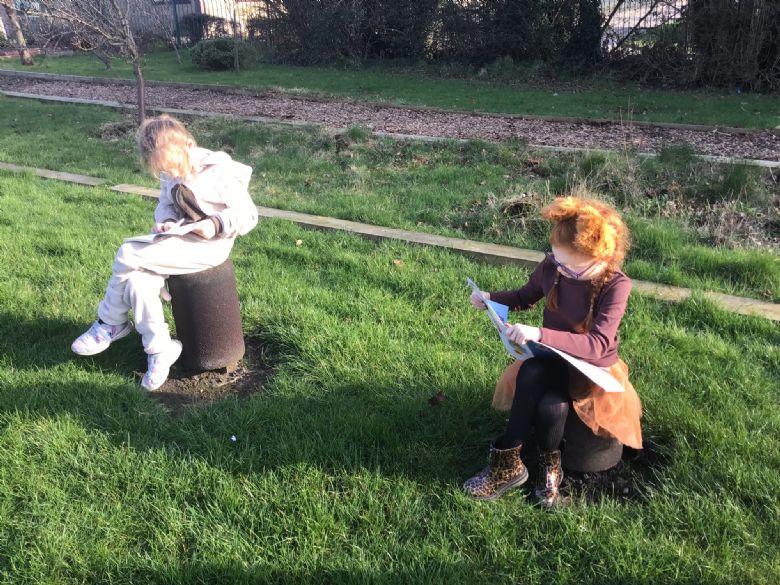
    These are some of our reading areas around school.

    Please see below how you can help support your child and the benefits of reading for pleasure.

    Our School Library. We love spending time in the library

    Reading Buddies. Once each week we pair up with a buddy from a different class to read.

    Useful Websites

    • Crickweb
      Fun online games for Early Years, KS1 and KS2

    Reading for pleasure- useful websites on children’s books to help promote a love of reading.

    • www.ReadingZone.com
      This site helps young people, parents and teachers to find out about Children’s books. There is information about new and classic titles with expert advice to help you find the best children’s books available. Children's Zones have games and activities and a specialist School Zone full of helpful resources.

    • www.lovereading4schools.co.uk
      This site has reading lists from Year 1 to Year 9. Free downloads of the openings of books to sample once subscribed. Subscription is free.

    • www.wordpool.co.uk
      A site for both children and parents, with advice on choosing books and encouraging reluctant readers.

    • www.booktrust.org.uk
      Provides a book information service and has information about awards and publications.